
Description
Product Overview
Learn to Code Python for Teens Kindle eBook by Code Connections offers a comprehensive introduction to programming tailored specifically for young learners aged twelve to eighteen. The digital format leverages the Kindle platform’s enhanced typesetting and page‑flip features to deliver a smooth reading experience on any compatible device, whether it’s a tablet, smartphone, or e‑reader. With a modest file size of 2.1 MB and a print length of 202 pages, the book balances depth and accessibility, providing enough content to cover fundamental concepts without overwhelming the reader. The instructional design follows a constructivist approach, encouraging learners to build knowledge through active experimentation. Each concept is introduced with a concise explanation, followed by a real‑world example that demonstrates how the idea applies to everyday technology, such as creating a simple game or automating a routine task. After the example, a set of guided exercises prompts the student to modify the code, fostering problem‑solving skills and reinforcing retention. The progression from simple to complex topics mirrors the natural learning curve of programming, ensuring that students are never faced with concepts that are too abstract or too advanced for their current level. Additionally, the book incorporates short quizzes at the end of each chapter to assess comprehension and provide instant feedback, allowing learners to identify areas that need further review before moving on. From a technical standpoint, the eBook is optimized for the Kindle ecosystem, taking advantage of the platform’s enhanced typesetting to present code snippets in a monospaced font that preserves indentation and readability. The file size of 2.1 MB ensures quick download times even on slower connections, while the 202‑page length provides a substantial amount of content without overwhelming the device’s storage capacity. The Kindle’s page‑flip feature allows readers to navigate seamlessly between sections, and the built‑in dictionary offers instant definitions for programming terminology. The eBook also supports the Kindle Cloud Reader, enabling access from web browsers on laptops or desktops, which is useful for students who prefer a larger screen for coding exercises. Compatibility extends to all Kindle devices released after 2016, as well as the Kindle app on iOS, Android, and PC, guaranteeing that the learning experience remains consistent across platforms. The author team behind the ‘Learn to Code’ series combines seasoned software engineers with experienced educators, ensuring that each lesson balances technical accuracy with pedagogical clarity. Their background includes work on industry‑standard Python applications and curriculum development for middle‑school computer science programs. By drawing on real‑world coding experience, the authors embed practical tips, such as debugging strategies and best practices for code readability, which help students develop professional‑grade habits early in their learning journey. Interactive elements such as code challenges, mini‑projects, and reflection prompts keep students actively involved throughout the 202‑page journey. For example, learners are guided to create a simple text‑based adventure game, applying loops, conditionals, and data structures in a fun context. These project‑based activities not only reinforce the syntax taught in earlier chapters but also demonstrate how programming can be used to solve everyday problems, boosting confidence and encouraging further exploration of more advanced topics. Upon completing the eBook’s final chapter, students are presented with a comprehensive project that synthesizes all learned concepts, such as building a simple calculator or a basic data‑analysis script. Successful completion of the project, verified through the Kindle’s submission guidelines, earns the learner a digital badge that can be shared on academic portfolios or social media, providing tangible proof of achievement. This certification element motivates learners to apply their skills in real‑world contexts and serves as a valuable addition to college applications or resume building. Teachers can complement the eBook with popular classroom management tools such as Google Classroom or Microsoft Teams, uploading the Kindle file as a shared resource and assigning specific sections as homework. The eBook’s clear chapter markers make it easy to reference particular topics during live instruction, while the built‑in quiz questions can be exported to create online assessments. Additionally, the code examples are compatible with cloud‑based IDEs like Replit, allowing students to experiment with Python without installing any software, thereby simplifying the logistics of a fully digital learning environment. ![[Product front view showing all components]](https://www.massageco.store/wp-content/uploads/2026/06/72da4d0a25534d33b7a4e043a830ebf2.jpg)
Usage
The eBook is ideal for classroom environments where teachers can assign chapters as homework or use them as interactive lessons during computer lab periods. Because the Kindle format supports page‑flip and annotation, students can easily navigate between concepts, highlight key sections, and add personal notes without damaging a physical textbook. The portable nature of the digital file means that learners can continue practicing coding exercises on a commute, during a break, or at home, ensuring consistent reinforcement of skills. Educators can seamlessly integrate the eBook into existing curricula by aligning its chapters with standard computer science learning objectives, such as those outlined by the CSTA (Computer Science Teachers Association). For after‑school clubs, the book serves as a ready‑made syllabus, allowing mentors to plan weekly sessions that combine reading, discussion, and hands‑on coding. The flexible digital format also supports collaborative projects, where students can share their code snippets via classroom forums or cloud‑based repositories, fostering peer learning and teamwork. During summer camps, the eBook’s self‑paced structure enables participants to progress at their own speed, while instructors can monitor progress through assignment completion reports generated by the Kindle’s annotation tools. This adaptability makes the resource valuable for a wide range of educational settings, from formal classroom instruction to informal learning environments. Parents can play an active role by reviewing the eBook’s progress reports and discussing coding concepts at home, turning screen time into collaborative learning moments. The Kindle’s annotation feature allows parents to leave comments directly on the text, providing guidance or encouragement as their child works through exercises. This shared involvement not only strengthens the child’s understanding but also fosters a supportive environment that values curiosity and continuous improvement.
Why Choose Us
Code Connections has built a reputation for delivering high‑quality educational content that bridges the gap between theory and practice. The company’s commitment to accessibility is evident in the eBook’s support for screen readers, enhanced typesetting, and the inclusion of interactive page‑flip, ensuring that learners with varying abilities can fully engage with the material. Moreover, the brand’s experience in producing the ‘Learn to Code’ series guarantees a consistent pedagogical approach that aligns with modern educational standards. Customer support is a cornerstone of the company’s service model; purchasers receive prompt assistance for any technical issues, and the publisher regularly updates the content to reflect the latest Python language enhancements. This ongoing commitment not only extends the lifespan of the eBook but also provides peace of mind for educators and parents who seek reliable, future‑proof learning resources. Code Connections continuously gathers feedback from teachers, parents, and students to refine its educational materials. The company maintains an active online community where users can suggest new topics, report errors, or request additional exercises, and the development team incorporates these insights into periodic revisions of the eBook. This iterative process ensures that the content stays current with evolving programming trends and educational standards. Moreover, the publisher offers supplemental resources, such as printable worksheets and video tutorials, that complement the eBook and provide multimodal learning opportunities. By investing in both the core product and its ancillary support, Code Connections demonstrates a long‑term commitment to the success of its learners, making it a trustworthy partner for anyone seeking reliable coding education. Code Connections distributes its educational titles worldwide, translating core content into multiple languages to reach a broader audience. While this particular eBook is currently available in English, the publisher’s roadmap includes localized versions for Spanish‑speaking markets and additional modules covering emerging technologies such as data science and artificial intelligence. By planning for expansion, the company demonstrates foresight and a commitment to equipping the next generation with versatile coding skills that remain relevant in a rapidly evolving tech landscape.
Key Features
- Step‑by‑step lessons that introduce Python syntax and logic in plain language, allowing teens to grasp programming fundamentals quickly without prior experience.
- Hands‑on coding exercises that can be completed on the Kindle or transferred to a computer, reinforcing learning through immediate practice and feedback.
- Built‑in accessibility features, including screen‑reader compatibility and enhanced typesetting, ensure the material is readable for students with diverse learning needs.
- Portable digital format with a 2.1 MB file size and 202 pages, allowing learners to study anytime, anywhere on any Kindle‑compatible device.
- Responsive customer support and regular content updates provide ongoing assistance and keep the curriculum aligned with the latest Python developments.
FAQ
What prior knowledge is required to start this eBook?
No prior programming experience is needed; the book begins with basic concepts and builds up gradually, making it suitable for complete beginners.
Can the exercises be completed on a Kindle device?
Yes, the Kindle’s built‑in code editor allows you to type and test simple scripts directly, and you can also copy the code to a computer for more advanced experimentation.
Is the content compatible with the latest Python version?
The material focuses on core language features that remain consistent across recent Python releases, and future updates will address any version‑specific changes.
How does the eBook support learners with disabilities?
The eBook includes screen‑reader support, adjustable font sizes, and enhanced typesetting, ensuring that visually impaired or dyslexic readers can comfortably access the content.
What devices are supported for reading this eBook?
The Kindle eBook is compatible with all Kindle hardware released after 2016, including the Kindle Paperwhite, Oasis, and Fire tablets. It also works on the Kindle app for iOS, Android, Windows, and macOS, as well as the Kindle Cloud Reader accessed through any modern web browser. This broad compatibility ensures that students can study on a smartphone, tablet, laptop, or dedicated e‑reader without losing any functionality, such as page‑flip, annotation, or screen‑reader support.
How is progress tracked within the Kindle eBook?
The Kindle platform records reading positions, bookmarks, and highlights automatically, allowing students to resume exactly where they left off. In addition, the eBook includes built‑in quiz sections that generate a simple score summary, which can be viewed in the device’s notes and highlights panel. Teachers can request students to share their highlighted passages and quiz results via email or a classroom portal, providing a clear overview of each learner’s advancement through the curriculum. This combination of automatic tracking and manual reporting ensures that both educators and parents have visibility into the learning process without requiring external software.
Are there any supplementary resources available?
Yes, Code Connections provides a suite of complementary materials that enhance the eBook experience. These include printable worksheets that reinforce key concepts, video tutorials that walk through code examples step by step, and a downloadable cheat‑sheet summarizing Python syntax for quick reference. All supplemental resources are hosted on the publisher’s website and can be accessed with the eBook’s unique access code, ensuring that learners have a cohesive set of tools to support varied learning styles. The additional content is regularly updated to align with the eBook’s revisions, offering a consistent and up‑to‑date learning ecosystem.


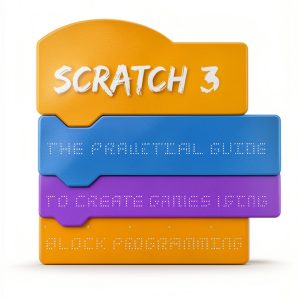
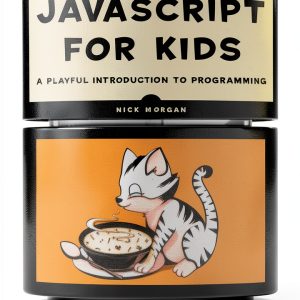 JavaScript for Kids eBook by No Starch Press Guide for Ages 10+
 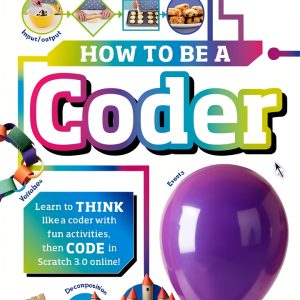 DK Children Kids Programming Book Careers for Kids eBook Age 7-9
Reviews
There are no reviews yet.